
Old Steinway Hall
Updated: Mar 23
Mural Restoration and Decorative Painting, NY (Project Manager and Lead Conservator, executed with John Canning Co.)
Challenge
The primary challenge in restoring the historic 1925 Rotunda of the Steinway Building was addressing severe degradation caused by extensive water infiltration and decades of darkened, oxidized shellac that completely obscured the artwork. Because the intricately decorated space utilized a complex combination of mediums—including oils painted directly on peeling plaster and oils on canvas mounted to the ceilings and walls—the project required developing distinct, specialized conservation methodologies for each section.
Technical Solution
A customized treatment plan was executed to address the specific vulnerabilities of the different materials and years of previous interventions:
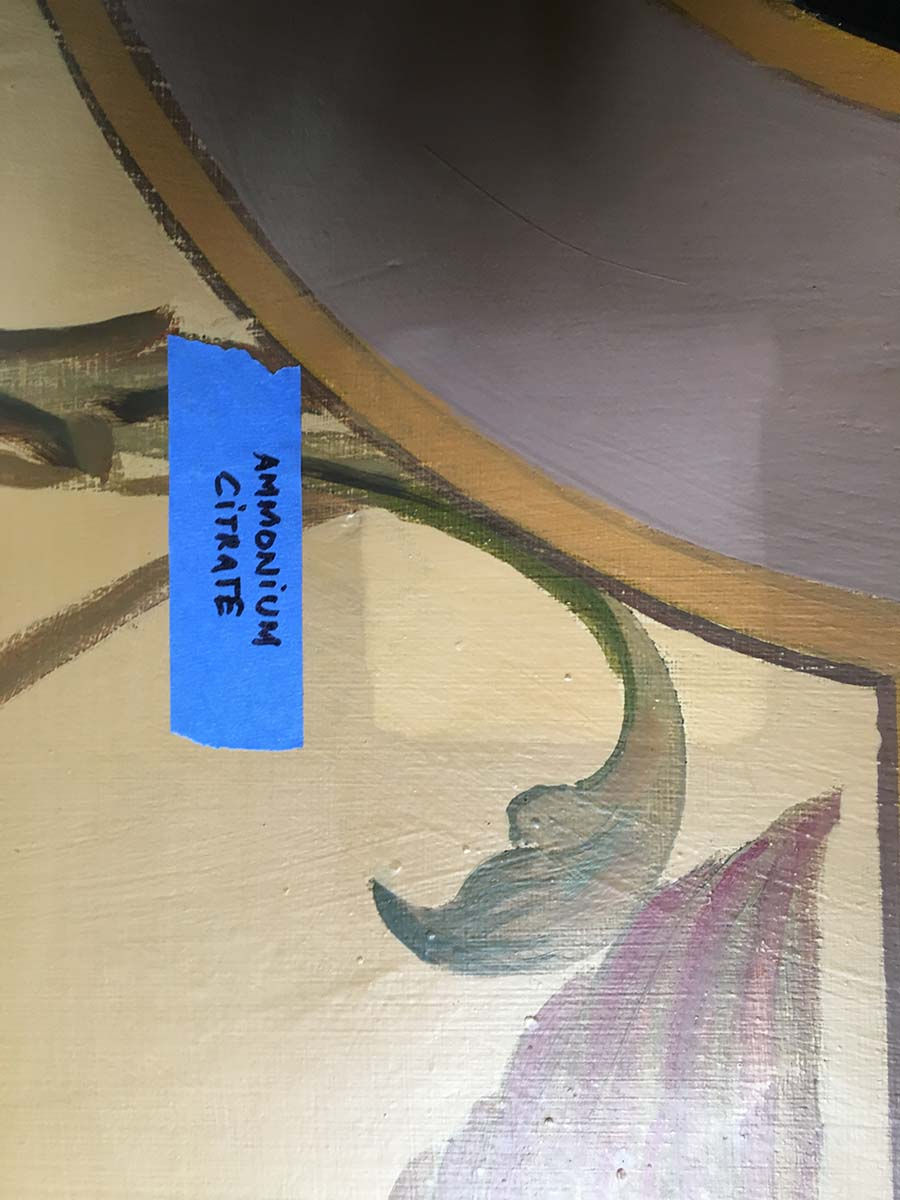
Testing and Assessment: Rigorous tests and exposure windows were executed to determine the safest varnish removal methods and to accurately understand the original designs hidden beneath the darkened surfaces.
Stabilization and Consolidation: Areas suffering from severe water damage were addressed first; delaminating paint and ground layers, particularly those painted directly on plaster, were stabilized, cleaned, and meticulously re-adhered to the architectural surfaces.
Varnish and Shellac Removal: The thick, oxidized layers of shellac—previously applied in failed attempts to halt deterioration—were carefully removed, finally revealing the original subject matter of the murals.
Infilling and Isolation: All areas of loss (lacunae) were infilled to mimic the original textures of the plaster and canvas. An isolating varnish was then applied to consolidate the original work and safely separate it from modern restoration materials.
Aesthetic Reintegration: The final step involved precise inpainting to seamlessly match the artist's original work, restoring the visual harmony of both the central canvas murals and the surrounding decorative plaster elements.
The Result and Images
The tailored conservation approach successfully rescued the historical Rotunda where Steinway & Sons originally showcased their pianos. By addressing the specific structural failures of each medium and removing the obscuring historic coatings, the murals and decorative painting were brought back to their original 1920s vibrancy, preserving a vital piece of New York City's architectural and musical heritage.
Mapping
Testing


Rotunda
Before

After

Mural 01
Before Before During After
Mural 02


Mural 03


Mural 04


VESTIBULES
Mural 01 - Lunette
Before During After After
Mural 02 - Tondo
Before During After
Mural 03 - Lunette
Before During During After
Mural 04 - Tondo
Before During During After
“All work accomplished follows the Secretary of the Interior”s “Standards for the Treatment of Historic Properties” and the American Institute for the Conservation of Historic & Artistic Works (AIC) standards

Comments